
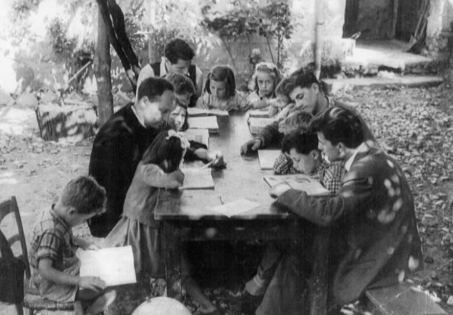
"Un ragazzo che esprime opinioni su cose più grandi di lui è un imbecille. Non deve avere soddisfazione. A scuola si va per ascoltare cosa dice il maestro." Questa frase di Don Milani farebbe sobbalzare chi lo cita come precursore del '68 antiautoritario. Ma è proprio così che scrivevano i ragazzi di Barbiana in *Lettera ad una professoressa*. Il caso dei maturandi che hanno rifiutato l'orale avendo già la promozione in tasca offre lo spunto per riscoprire il vero pensiero del prete di Barbiana: la scuola deve essere rigorosa per essere giusta, la contestazione ha senso solo se si paga un prezzo, e imparare è un lusso che richiede sacrificio. Tra le dodici ore al giorno di studio a Barbiana e i gesti simbolici a costo zero di oggi, c'è un abisso che Don Milani avrebbe chiamato con il suo nome: "fichetteria". Una riflessione scomoda su scuola, rigore e vera ribellione.
Categoria: Progetto Equilibrium
Talento nello Sport: innato o acquisito? Dalla filosofia allo sport e ritorno.
Nell'articolo si mettono a punto alcune distinzioni tra "Pratica filosofica" e "Consulenza filosofica" affrontando il tema del talento: è innato o frutto del lavoro. L'approccio ecologico allo sport offre una risposta sorprendente e restituisce alla filosofia una possibile traccia di riflessione che si emancipa dalla questione innatismo vs razionalismo.
Rivoluzionare l’Allenamento con Vasco Rossi
Drawing inspiration from Vasco Rossi's metaphor on creativity, the Equilibrium Project promotes a balanced approach to training. By introducing controlled instability and unpredictability, athletes enhance awareness, adaptability, and creative problem-solving. This method challenges traditional routines, empowering young athletes to grow both on and off the field through innovative and reflective practices.
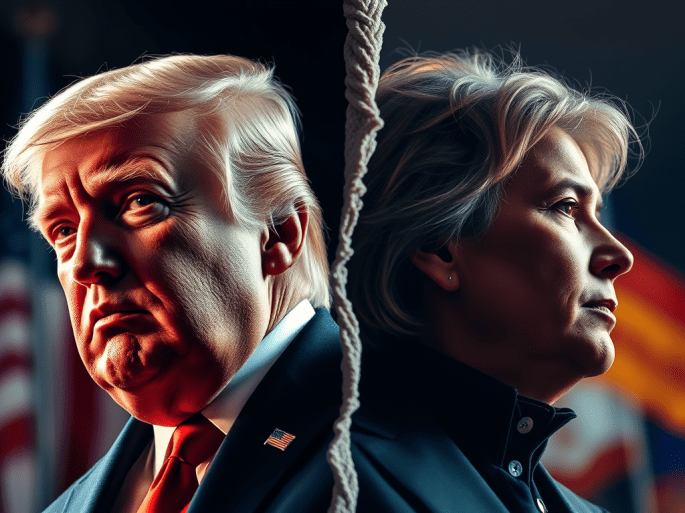
MAGA, terza ed ultima stagione. Perché MAGA è vincente e la “sinistra” è lontana (al netto delle ragioni degli uni e degli altri)
The article explores the intersection of philosophical practices and political phenomena, particularly reflecting on the recent U.S. elections and Trump's "Make America Great Again" slogan. It emphasizes the cultural weaknesses of the left and how their traditional supporters increasingly vote for the right. It argues that political narratives must resonate emotionally with voters, utilizing archetypal imagery. The success of right-wing leaders stems from their ability to connect with voters’ deep-seated archetypes, contrasting with the left's failure to effectively mobilize similar sentiments. Ultimately, the piece suggests that philosophical practice can aid in decoding these dynamics for better political engagement.
Make America Great Again (Seconda stagione/2)
One of the questions that philosophical practice should address when considering the Trumpian revolution is the issue of cryptocurrencies. In this article, after examining the unique characteristics of cryptocurrencies, the author reflects on the polarized debate between liberalism and solidarism, where these new currencies appear to be a nuclear weapon in the hands of liberalists. The minting of a currency outside the control of central banks creates an imbalance between free-market economies and the need to regulate phenomena such as inflation or recent pandemics. How does a currency that itself becomes a commodity impact the lives of citizens? What remains for a sovereign state on the day it loses control over its currency? Philosophy has the responsibility to bring these questions to light and to foster awareness around an issue that cannot be left solely in the hands of insiders or the corporations minting this new gold.